Hiring a professional painter can completely transform your home — but choosing the wrong one can lead to stress, delays, and disappointing results. Whether you’re painting interior walls, refreshing cabinets, or updating your exterior, the contractor you hire makes all the difference.
So How to choose a Professional Painter from true professionals?
1. How to Choose a Professional Painter
Before you even request a quote, do your homework.
- Check Google reviews and ratings.
- Look at before-and-after photos.
- Ask neighbors or friends for referrals.
- Review their website and social media presence.
A professional painter should have a strong local reputation, consistent branding, and examples of real projects. If they have no online presence or limited reviews, proceed carefully.
2. Are You Licensed and Insured?
This is non-negotiable.
Ask:
- Are you licensed to operate in this state?
- Do you carry general liability insurance?
- Do you have workers’ compensation coverage?
Insurance protects you if there’s damage to your home or someone gets injured on your property. A professional painter should provide proof of insurance without hesitation.
If they avoid the question — that’s a red flag.
3. What Does Your Preparation Process Include?
The biggest difference between an average paint job and a professional one is prep work.
Ask detailed questions like:
- Will you pressure wash (for exterior)?
- Do you sand and repair damaged areas?
- Do you fill nail holes and caulk trim?
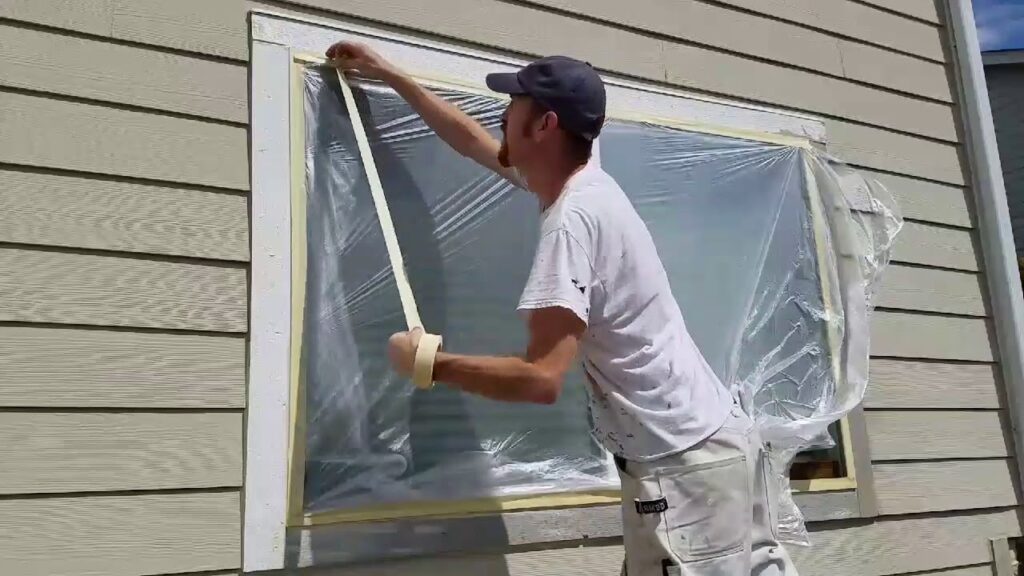
- How do you protect floors, furniture, and landscaping?
- Do you mask windows and fixtures?
Great painters spend more time preparing than painting. Proper prep ensures durability, smooth finishes, and long-lasting results.
4. What Paint Products Do You Use?
Not all paints are equal.
Ask:
- What brand do you use?
- Why do you recommend it?
- Is it low-VOC?
- What finish do you suggest and why?
A true professional will explain the differences between flat, eggshell, satin, semi-gloss, and high-gloss finishes — and recommend the best option based on traffic, lighting, and surface type.
If a painter says “paint is paint,” that’s a warning sign.
5. How Many Coats Are Included?
This is a common source of confusion.
Clarify:
- Are two full coats included?
- Is primer included if needed?
- What happens if coverage isn’t sufficient?
Professional estimates should clearly outline materials, labor, number of coats, and prep steps. Vague quotes often lead to surprise charges later.
6. Can You Provide References?
Reputable painters should gladly provide:
- Recent customer references
- Photos of completed projects
- Addresses of homes they’ve painted (when permitted)
When speaking to references, ask:
- Did they show up on time?
- Was the job completed on schedule?
- Were there unexpected costs?
- How was communication?
The difference between good and great often comes down to professionalism and communication. Also check out your local paint store www.sherwinwilliams.com for local painters
7. What Is the Timeline?
Ask:
- When can you start?
- How long will the project take?
- Will weather affect exterior work?
- How many workers will be on-site?
Reliable painters provide realistic timelines and communicate clearly about scheduling. Be cautious of anyone who promises unusually fast completion without explaining how.
8. What Is Your Cleanup Process?
Professional painters leave your home cleaner than they found it.
Ask:
- Do you remove debris daily?
- Will you vacuum or sweep interior spaces?
- Do you reinstall outlet covers and fixtures?
- What happens to leftover paint?
Great companies conduct a final walkthrough and address touch-ups immediately.
9. Do You Offer a Warranty?
A painter who stands behind their work will offer a written warranty.
Ask:
- How long is the workmanship warranty?
- What does it cover?
- Is peeling or blistering included?
Most quality painters offer warranties ranging from 1–5 years, depending on the surface and environment.
No warranty often means no long-term accountability.
10. How Is Payment Structured?
Be cautious of painters asking for large upfront payments.
Standard practice:
- Small deposit (if required)
- Progress payment (for large jobs)
- Final payment upon completion and approval
Everything should be outlined in a written contract, including scope of work, colors, finishes, timeline, and payment schedule.
Never rely on verbal agreements.
What Separates Good from Great Painters?
Here’s where the real distinction happens:
Good Painters:
How to choose a Professional Painter
- Show up and complete the job
- Apply paint evenly
- Offer fair pricing
Great Painters:
How to choose a Professional Painter
- Communicate clearly and consistently
- Help you choose colors confidently
- Protect your home meticulously
- Focus heavily on preparation
- Stand behind their work with warranties
- Conduct a final walkthrough
- Follow up after completion
Bonus Tip: Trust Your Gut
Sometimes the deciding factor isn’t price — it’s professionalism.
Ask yourself: How to choose a Professional Painter
- Did they arrive on time for the estimate?
- Were they clean and organized?
- Did they answer questions confidently?
- Did they provide a detailed written quote?
Final Thoughts
How to choose a Professional Painter doesn’t have to feel overwhelming. By asking the right questions and understanding what separates average from exceptional service, you can confidently hire someone who will protect your investment and deliver beautiful results.
Painting isn’t just about color — it’s about craftsmanship, preparation, communication, and long-term durability. Contact www.newvisionspainters.com for a free quote in Las Vegas today
Take your time. Ask questions. Compare estimates carefully.
The right painter won’t just change your walls — they’ll improve your entire home experience.