Why Does My Paint Peel
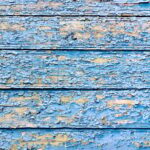
Have you ever painted your home’s exterior, only to see the paint peeling, bubbling, or cracking just months later? If you live in a desert climate, this problem is all too common. The intense UV rays, extreme daytime heat, and cooler nights create some of the harshest conditions for any paint job.
The good news? A peeling paint job in the desert is not inevitable. In fact, most cases of premature paint failure come down to a few common mistakes that are completely avoidable. Let’s break down the three biggest mistakes homeowners make and how you can avoid them to ensure your paint job lasts for years.
Mistake 1: Skipping Proper Surface Preparation
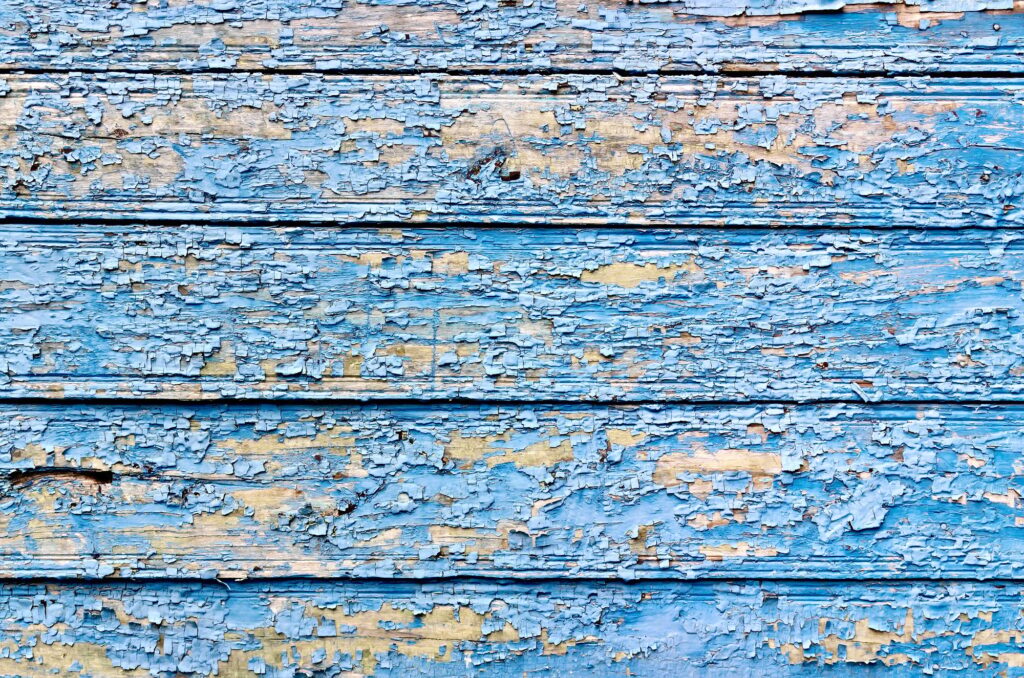
The biggest reason why Why Does My Paint Peel paint fails in the desert is poor prep work. When the surface isn’t cleaned or primed properly, the paint won’t stick the way it should.
So Why Does My Paint Peel. Think about it: desert homes are constantly exposed to dust, sand, and sun damage. If you paint over dirty or chalky surfaces, the paint bonds to the debris instead of your walls. That’s why you’ll often see flakes or peeling sheets of paint within weeks.
How to Prep for Success:
- Wash the surface thoroughly—power washing is ideal.
- Remove all loose or chalky paint.
- Let everything dry completely.
- Apply a high-quality primer that’s suited for stucco, wood, or metal.
By laying the right foundation, you give your paint the best chance to withstand the desert’s brutal conditions.
Mistake 2: Using the Wrong Paint
Not all paint is made to handle scorching heat and relentless UV rays. If you use standard exterior paint, it’s only a matter of time before it starts to fade, crack, or peel.
Why regular paint fails in the desert:
- UV rays break down pigments and cause fading.
- The huge difference between hot days and cool nights makes paint crack.
- Occasional rain or irrigation seeps in, leading to bubbling.
Best options for desert homes:
- Elastomeric paint – Thick, flexible, and perfect for stucco because it moves with temperature changes.
- 100% acrylic paint – Provides excellent adhesion and resists fading.
- UV-resistant coatings – Help protect against sun damage and keep colors vibrant.
Investing in the right paint upfront will save you from repainting every year.
Mistake 3: Painting in the Wrong Weather
Timing is everything when painting in a desert climate. Applying paint in the wrong weather conditions often guarantees failure.
Why Does My Paint Peel.
When paint fails the most:
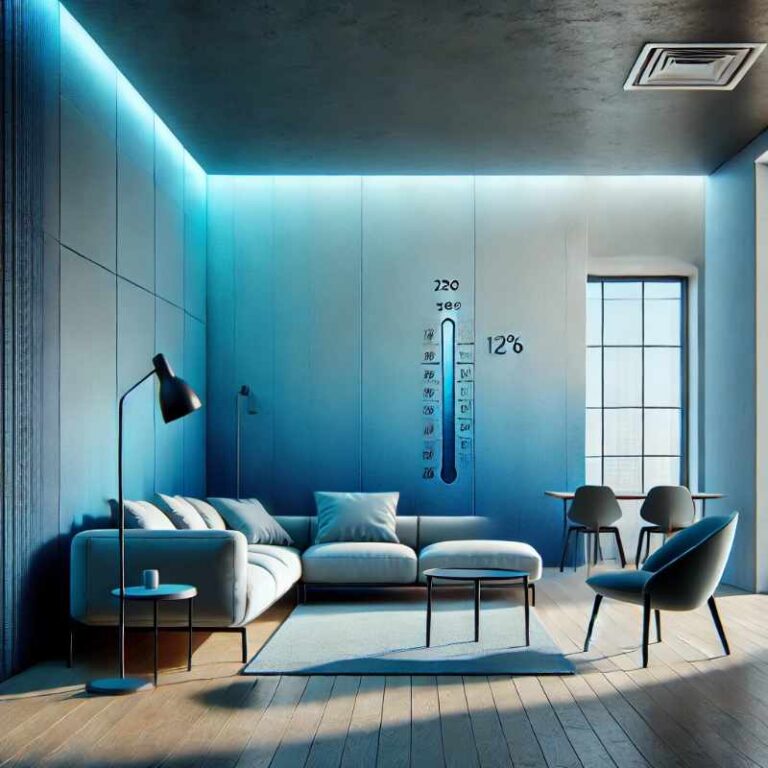
- Hot surfaces: If the wall is over 100°F, the paint dries too fast, trapping bubbles.
- Windy days: Dust blows right into wet paint.
- Cold nights: When temperatures drop too low, paint doesn’t cure properly.
Best painting conditions:
- Paint during mild mornings or evenings.
- Follow the shade around your home to avoid direct sun.
- Pick calm, wind-free days for the smoothest finish.
By painting in the right conditions, you set your project up for long-term success.
Extra Tips for Lasting Results
Want your desert paint job to last even longer? Here are a few pro tips:
- Seal stucco cracks before painting to prevent water damage.
- Always apply two coats for better coverage and UV resistance.
- Wash your home’s exterior once or twice a year to clear away sand and dust.
- Choose lighter paint colors to reflect heat instead of absorbing it.
Final Thoughts
If your paint keeps peeling in the desert, it’s usually because of poor prep, the wrong paint, or bad timing. By avoiding these three mistakes and following a few pro tips, your home can stay looking fresh and protected—even under the desert’s toughest conditions. www.sherwinwilliams.com
A desert paint job doesn’t have to fail quickly. With the right preparation, the right paint, and the right timing, you’ll enjoy a finish that looks great and lasts for years. Check out www.newvisionspainters.com for a free quote in las vegas .